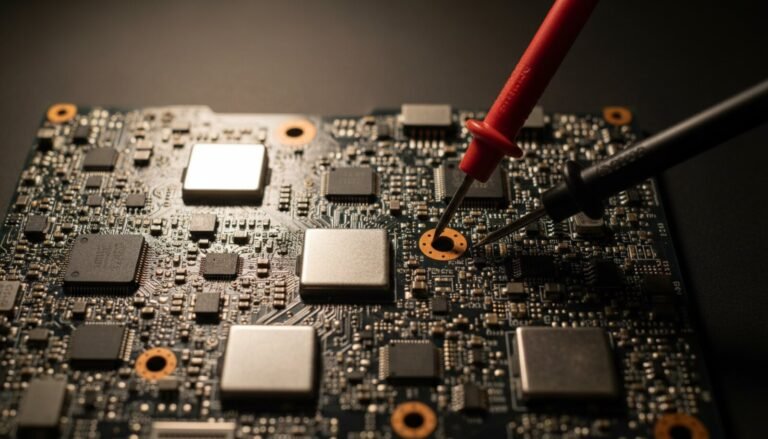
How to Read a Laptop Schematic and Boardview (Without Guessing)
The schematic names the signal, the boardview finds the pad, and the free viewer links them so they search each other. Plus the two traps that make a healthy board measure dead.
The schematic names the signal, the boardview finds the pad, and the free viewer links them so they search each other. Plus the two traps that make a healthy board measure dead.
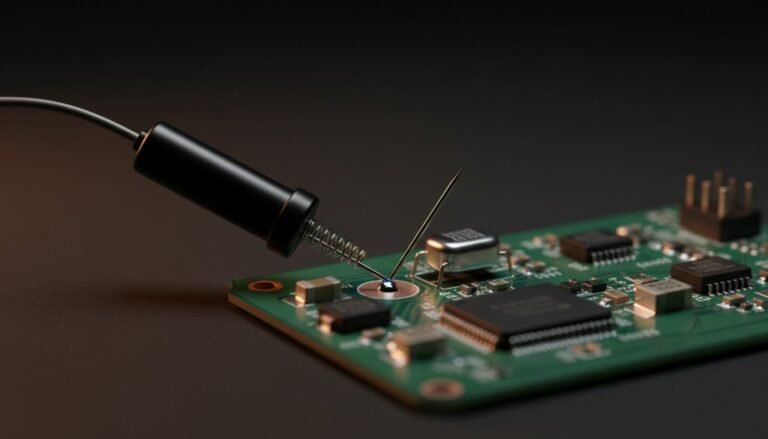
What to probe on a dead board, why a flat line can be a lie, and the Peak Detect setting that decides whether you catch the fault at all.
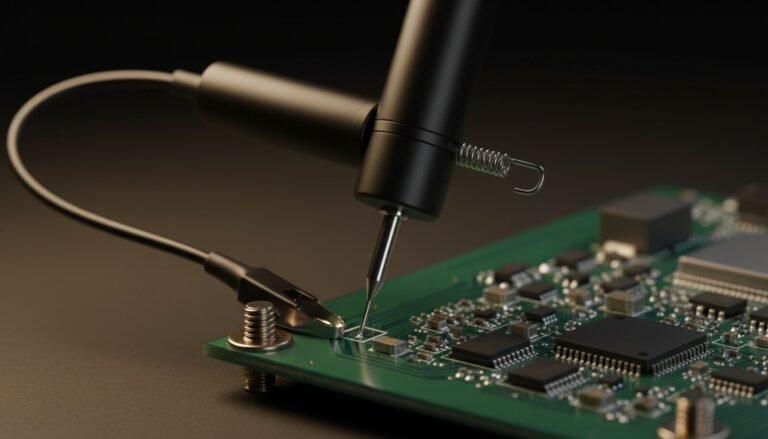
Bandwidth, sample rate and the probe that quietly ruins your measurement - how to choose and use a first oscilloscope for board-level repair.
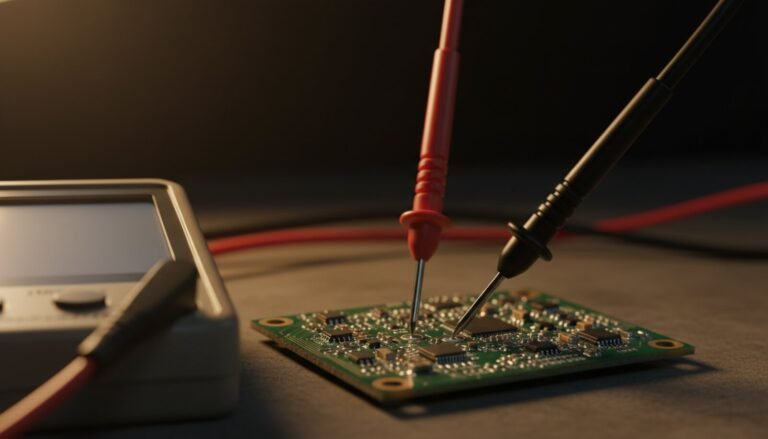
Input impedance, burden voltage, counts and CAT ratings, decoded from two real published spec sheets — the multimeter numbers that decide whether a reading is true at a repair bench.
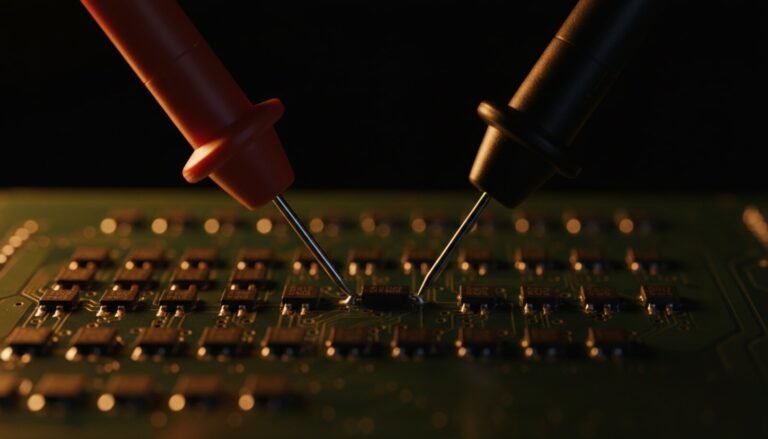
The two golden rules of in-circuit testing, the verdict table for resistors, diodes and BJTs, and the part nobody covers: what your meter is actually doing at 1 mA and 3 V.
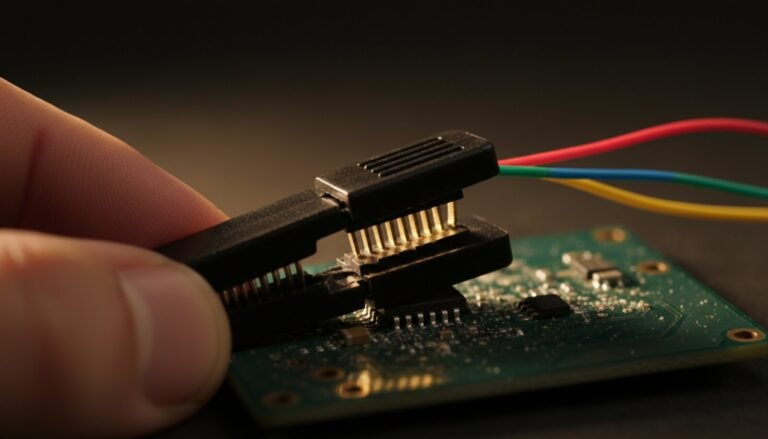
Pitch, body width, pin 1 and voltage — how to pick a SOIC-8 clip that fits, why 1.8V chips die on 3.3V programmers, and how to read a bad dump before you write.
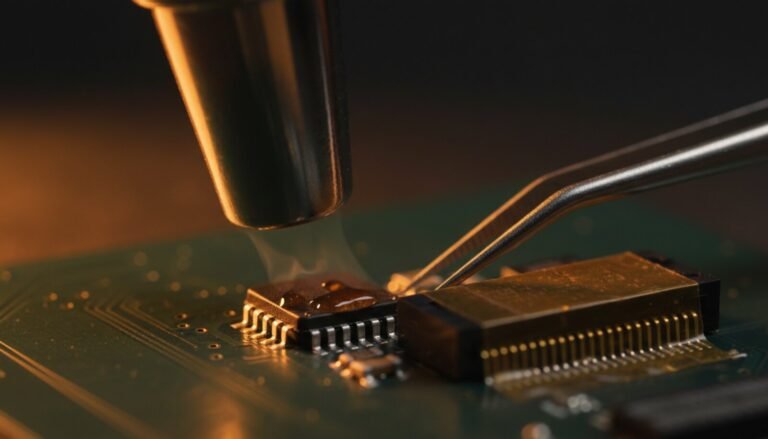
How to choose your first hot air rework station, the temperature and airflow that actually work per job, the removal technique that preserves pads, and the IPC/JEDEC limits beginner tutorials never mention.
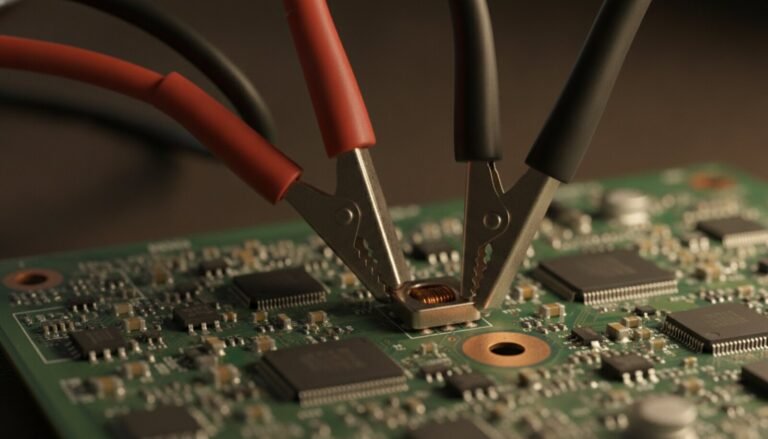
How to use a bench power supply as a diagnostic instrument: set the current limit properly, read a board by its current draw, stand in for the battery, and inject voltage to find a short.
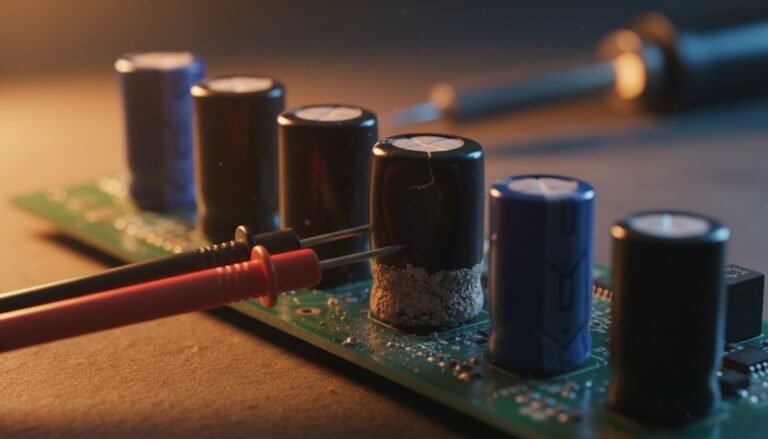
A capacitor can measure the exact capacitance printed on its case and still be dead to the circuit. Here are the three tests in the order a repair bench runs them: eye, multimeter, ESR.
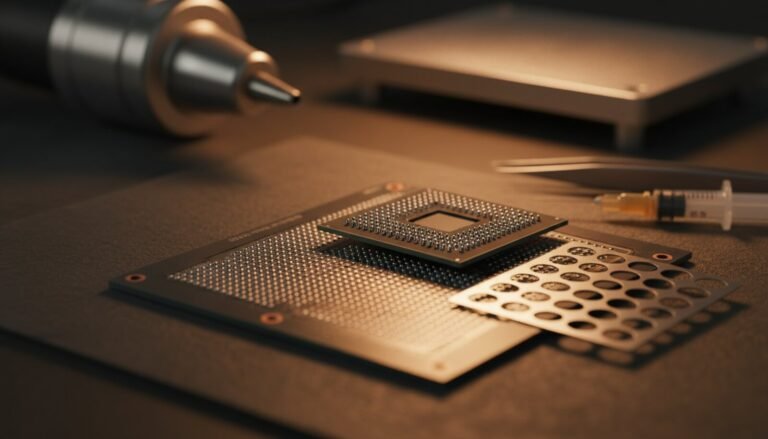
Walk into any repair forum with a dead laptop and someone will tell you to “just reball it.” The BGA chip has become the…